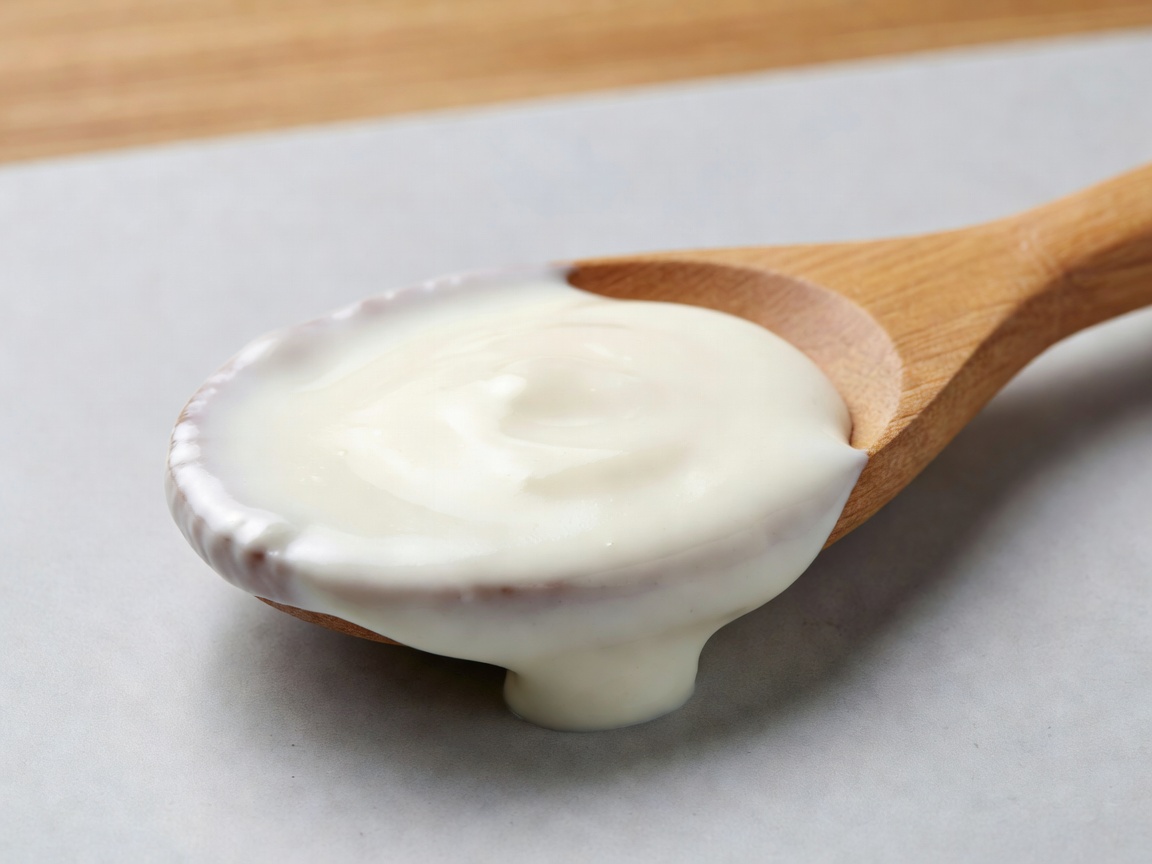
Why Béchamel Defines Bolognese Lasagne
In many global kitchens, lasagne recipes rely heavily on tubs of ricotta cheese, shredded mozzarella, and beaten eggs. In the classical tradition of Bologna, however, cheese fillings are replaced by balsamella.
When baked, ricotta often expels water and develops a grainy, curdled texture. In contrast, béchamel is a stabilized starch-fat-milk emulsion. As the lasagne bakes, it mingles seamlessly with the juices of the slow-simmered ragù. This union forms a velvety pink emulsion (salsa rosa) between each sheet, resulting in the creamy, melt-in-your-mouth mouthfeel classic lasagne is celebrated for.
The Roux Chemistry: Starch Gelatinization
The foundation of a flawless balsamella begins with a white roux: equal parts by weight of high-fat unsalted butter and unbleached all-purpose or Tipo 00 flour. As the butter melts, the water in it evaporates. Coating the flour starches in the remaining melted fat prevents the granules from clumping together when milk is added.
The roux must be gently cooked for at least two to three minutes over medium-low heat to deactivate the enzyme alpha-amylase and eliminate any raw flour taste. However, it must not brown: a blond or brown roux adds a toasted, nutty flavor that competes with the fragrant nutmeg and clean dairy character essential to balsamella.
The Temperature Paradox: Hot Roux, Warm Milk
Pouring ice-cold milk into a hot roux causes the butterfat to solidify instantly into stubborn lumps. Always warm whole milk gently in a separate pan to around 60°C (140°F) before adding it. Whisk the warm milk into the warm roux in a steady, thin stream. The starch molecules will swell and gelatinize evenly, producing a lump-free, velvety sauce.
Step-by-Step Preparation Protocol
Follow this technique to achieve silky, pourable consistency:
- Warm the Milk: In a medium saucepan, heat 1 liter of whole cow’s milk over low heat until steam gently rises from the surface. Do not bring it to a boil.
- Melt the Butter: In a heavy-bottomed stainless steel saucepan, melt 70g of unsalted butter over medium-low heat until it foams gently.
- Incorporate the Flour: Add 70g of Tipo 00 flour. Whisk continuously for 2.5 minutes until pale, frothy, and smelling faintly of shortbread.
- Gradual Emulsification: Add approximately 100ml of warm milk while whisking vigorously. The roux will seize into a thick paste. Continue adding warm milk in 100ml increments, whisking until smooth before pouring in the remaining liquid.
- Gentle Thickening: Switch from a whisk to a flat wooden spatula. Cook over low heat, scraping the bottom edges continuously until the sauce thickens and reaches a gentle simmer. Maintain for 6 to 8 minutes to fully cook the starches.
- Seasoning: Remove from the heat. Stir in fine sea salt, a pinch of freshly ground white pepper, and a generous grating of fresh whole nutmeg (approx. 1/4 teaspoon).
Balsamella Formulation Ratios
| Style / Application | Butter | Flour | Whole Milk | Resulting Consistency |
|---|---|---|---|---|
| Lasagne al Forno Standard | 70 g | 70 g | 1,000 ml | Light cream (nappe); flows easily across pasta |
| Heavy Croquette Binder | 100 g | 100 g | 1,000 ml | Thick, pasty, sets solid upon chilling |
| Gratin Topping (Thick) | 85 g | 85 g | 1,000 ml | Rich, viscous, forms heavy blanket |
Common Errors in Balsamella Making
Successful Qualities
- Using whole milk with at least 3.5% butterfat content for creamy mouthfeel.
- Grating fresh whole nutmeg using a fine rasp; pre-ground powder lacks essential oils.
- Covering resting béchamel with wax paper pressed directly to the surface to prevent a skin from forming.
- Maintaining a pourable consistency so sauce flows smoothly into dish corners.
Mistakes to Avoid
- Using skimmed or 1% milk, which results in a watery sauce that curdles in the oven.
- Overcooking the roux until brown, imparting an unwanted nutty flavor.
- Using high heat, which scorches milk proteins onto the pan bottom.
- Seasoning with black pepper flakes, which discolors the clean white appearance.
Keep your finished balsamella warm until assembly. If preparing ahead, reheat gently over low heat with a splash of milk while whisking to restore its pourable texture.