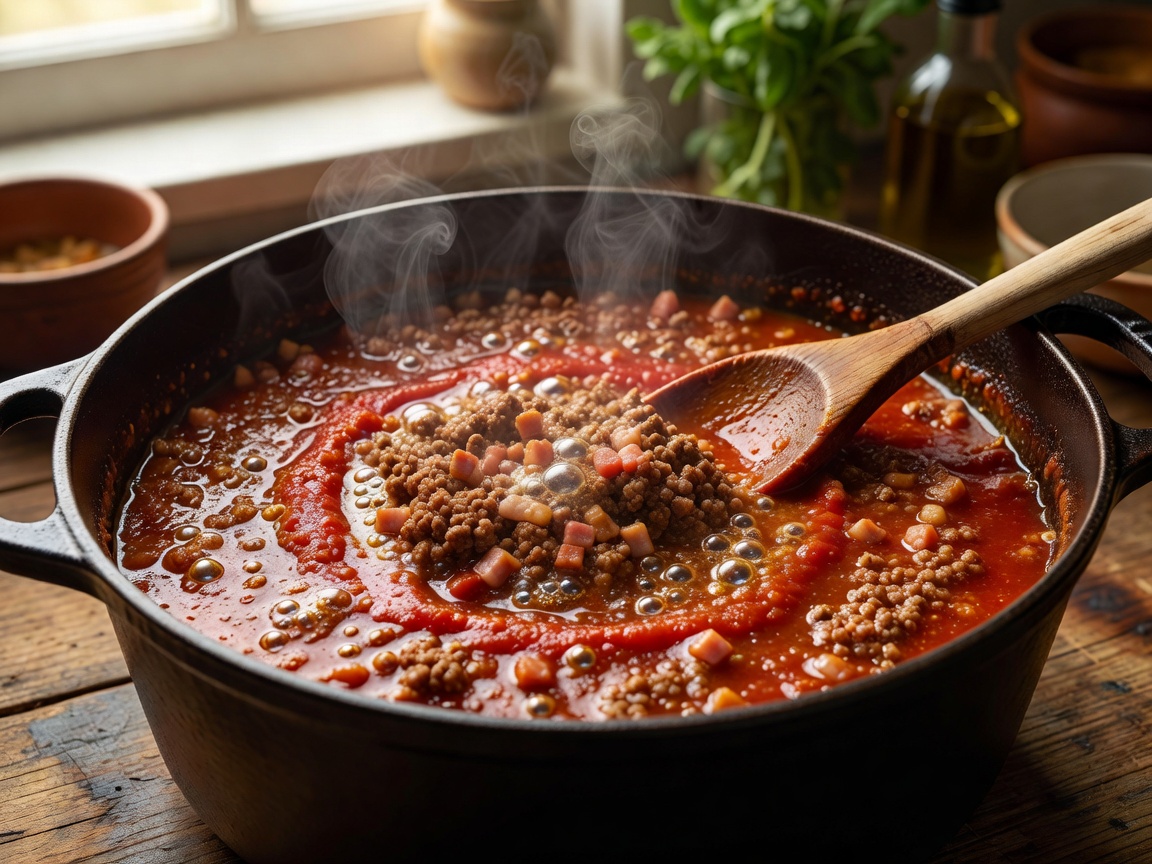
Traditional Ragù alla Bolognese
The heart of the dish: coarse-ground beef chuck or skirt, cured pancetta dolce, micro-diced soffritto, dry white wine, whole milk, and a gentle tomato reduction simmered until gelatinous and glossy.
Authentic Lasagne al Forno is an architectural symphony of slow-simmered beef and pork ragù, silky whole-milk béchamel, paper-thin egg pasta sheets, and aged Parmigiano Reggiano PDO. Discover the authentic regional discipline of Emilia-Romagna.
Ragù alla Bolognese: 4-hour gentle braise of coarse beef skirt, cured pancetta dolce, and white wine with zero garlic or oregano.
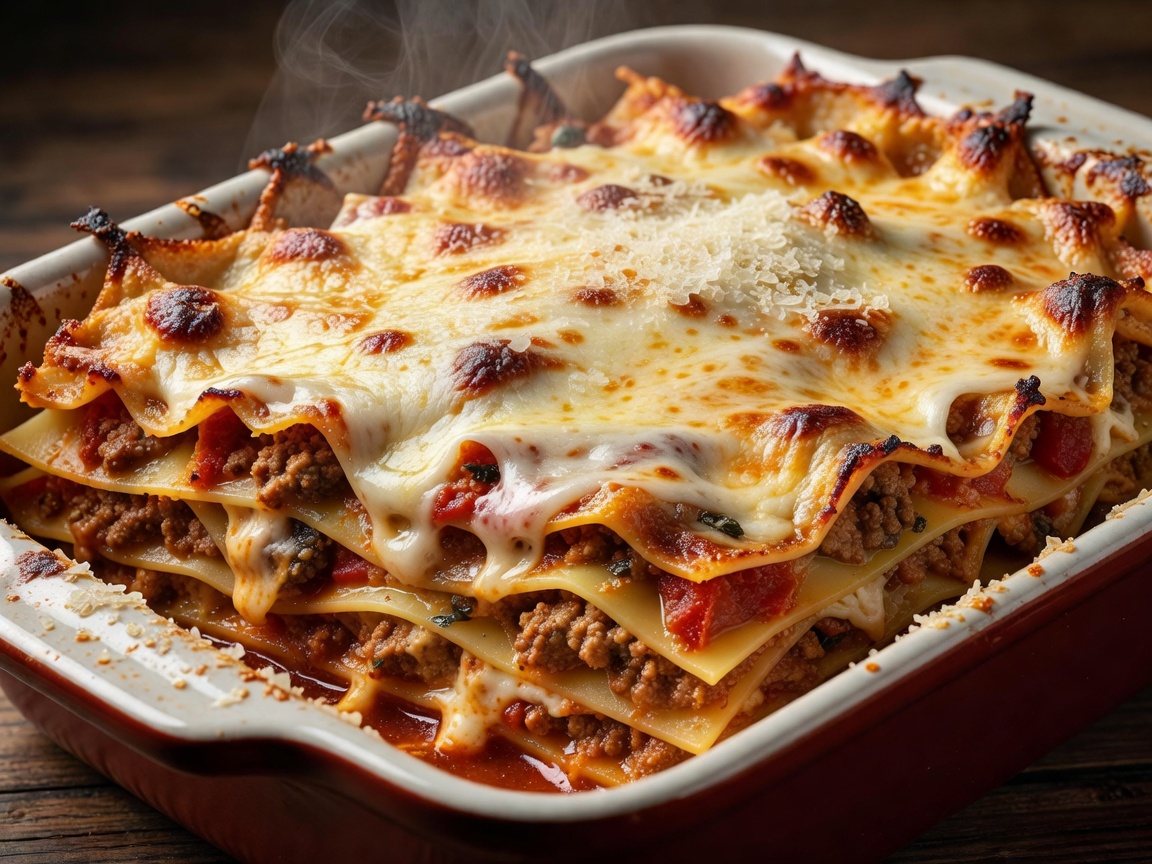
Every step requires deliberate temperature control, balanced seasoning, and strict respect for moisture ratios. Select a chapter below to master each component.
The heart of the dish: coarse-ground beef chuck or skirt, cured pancetta dolce, micro-diced soffritto, dry white wine, whole milk, and a gentle tomato reduction simmered until gelatinous and glossy.
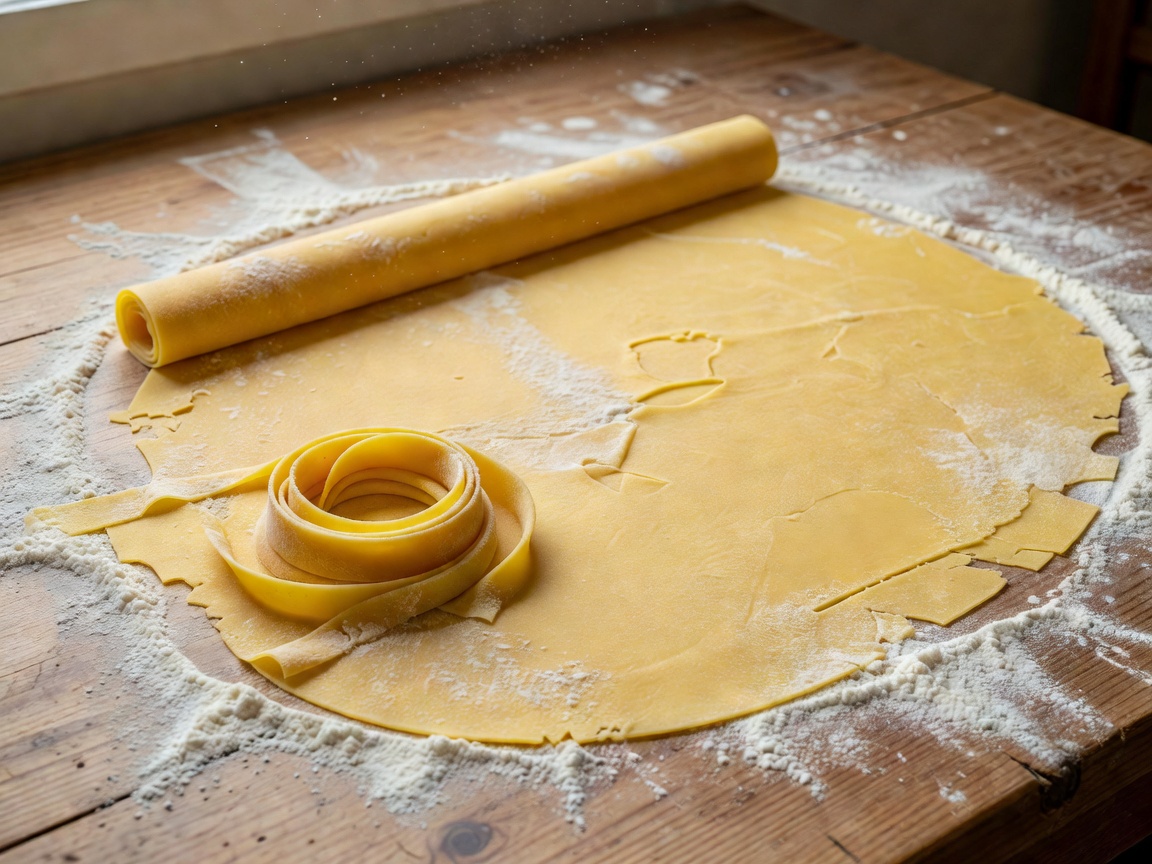
Rolling the sfoglia to the precise 0.8mm gauge. The crucial debate between classic golden egg pasta and the traditional spinach-infused green sfoglia of Bologna, plus blanching rules.
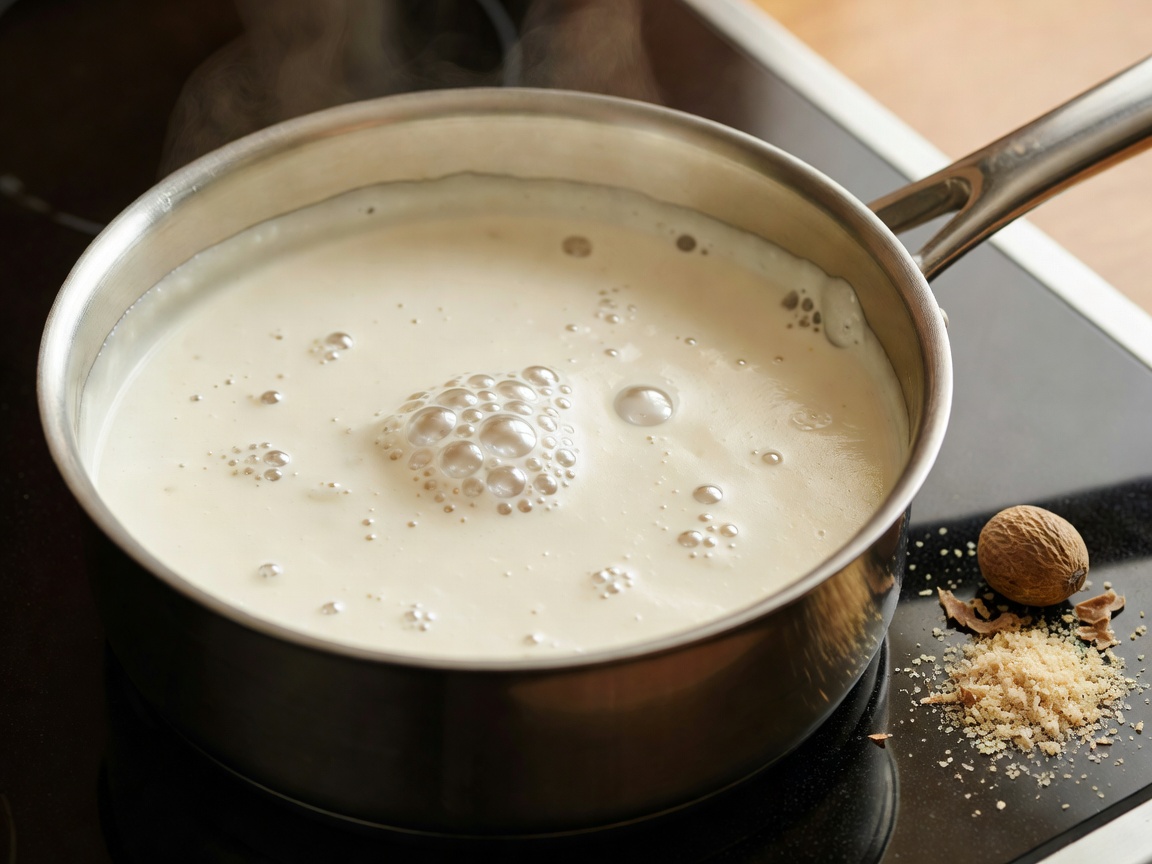
Why true Italian lasagne uses silky béchamel rather than ricotta cheese. Ratios of unsalted butter to flour, warm whole milk tempering, and aromatic freshly grated nutmeg.
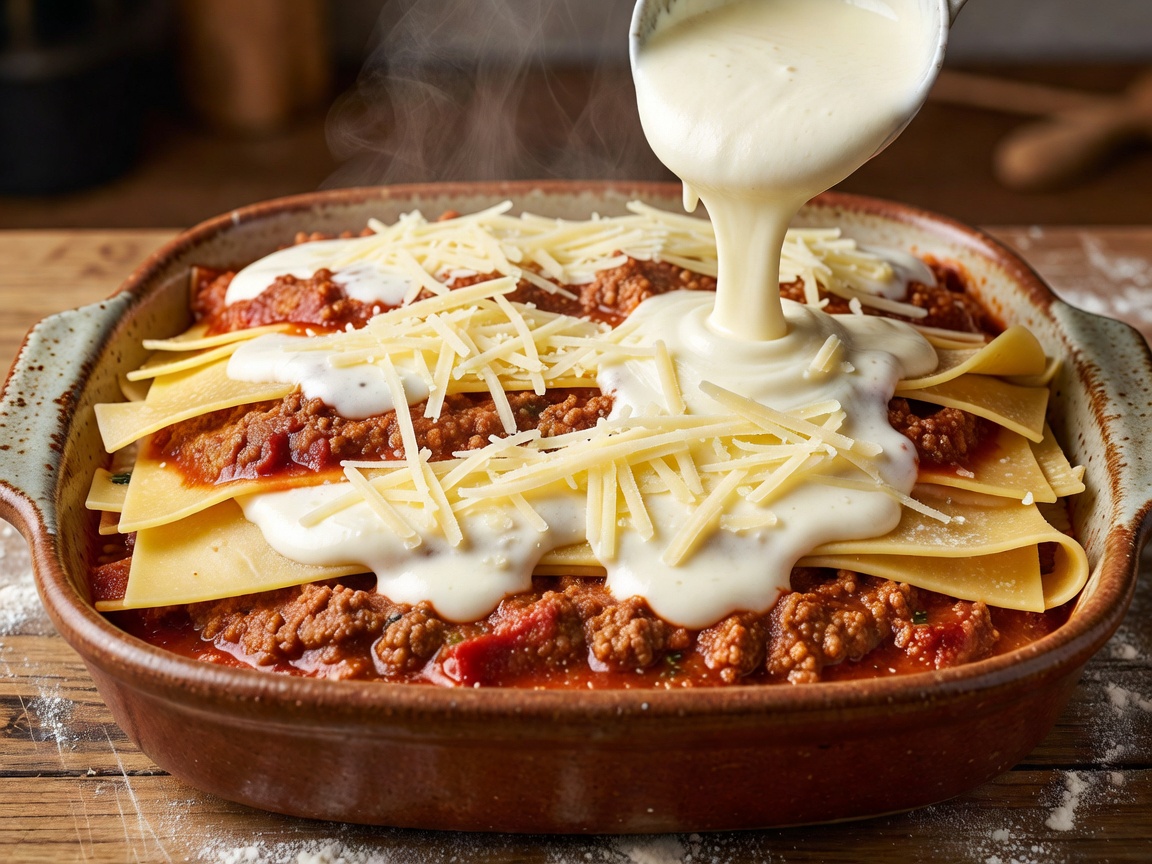
Preventing soggy layers and dry edges. Staggered pasta orientation, béchamel emulsion blending, and liberal grating of 24-month Parmigiano Reggiano PDO across all five layers.
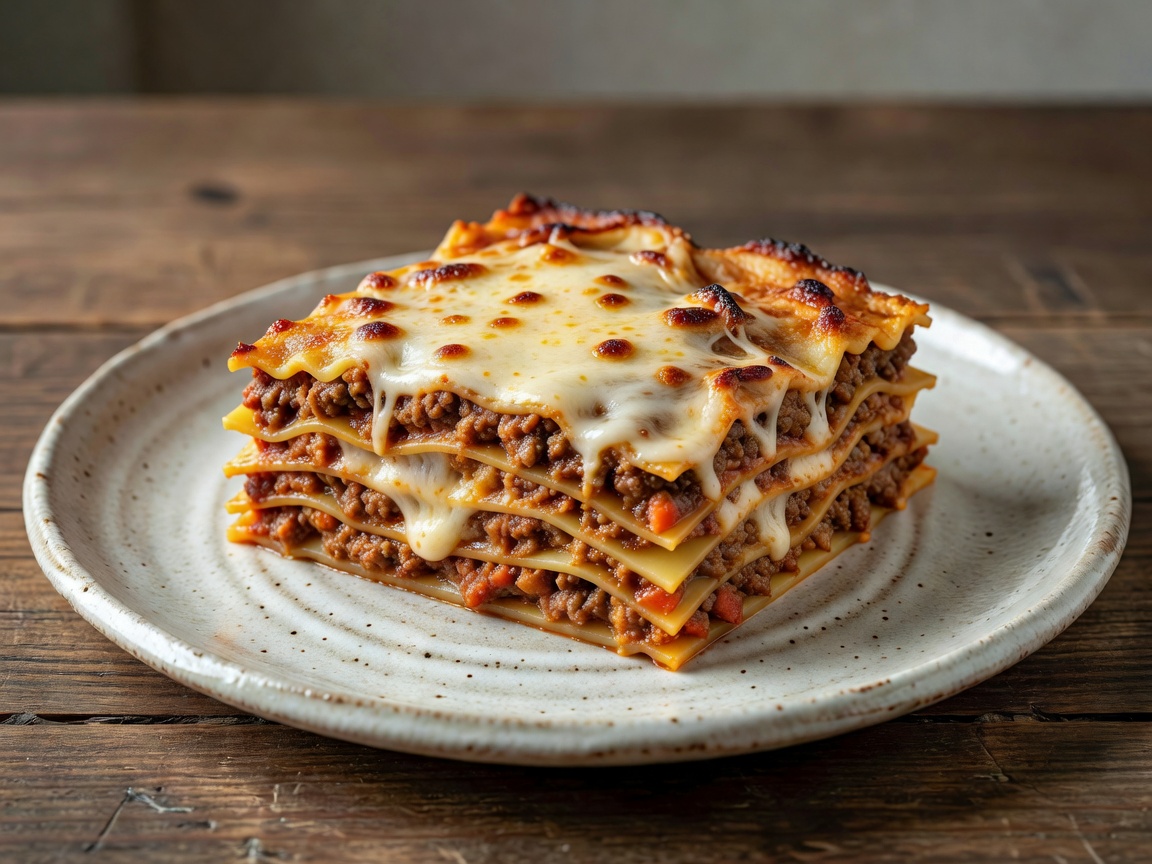
Oven heat transfer at 180°C (350°F), achieving golden blistered gratin crust without drying the interior, and the mandatory 20-to-30 minute rest that allows the structure to set before slicing.
The culinary identity of Lasagne al Forno is anchored in the culinary registry of Bologna and the regional gastronomy of Italy.
Emilia-Romagna Origin
In Emilia-Romagna, lasagne al forno is made exclusively with fresh soft-wheat egg pasta (often green with spinach), slow-braised meat ragù, and béchamel. By contrast, Southern Italian variations (such as Lasagna Napoletana) frequently utilize dry durum wheat pasta, sweet ricotta, hard-boiled eggs, and meatballs for Carnival celebrations.
Both traditions are revered, but the northern preparation has defined modern Italian gastronomic gastronomy worldwide. Consult the national culinary resource at Italia.it – Italian Food & Wine for regional provenance.
Culinary Chemistry
Commercial American recipes frequently substitute ricotta for béchamel because it eliminates stovetop sauce preparation. However, heated ricotta releases high amounts of whey moisture, which makes pasta sheets spongy and prevents the dish from achieving clean, sliceable structural strata.
Béchamel provides a velvety starch-and-fat suspension that lubricates each sheet while binding the meat ragù securely during the oven bake.
The Official Registry
On October 17, 1982, the Bolognese delegation of the Accademia Italiana della Cucina officially registered the authentic recipe for Ragù alla Bolognese with the Bologna Chamber of Commerce.
The decree established strict proportions: coarse beef skirt (cartella), fresh unsmoked pancetta, mirepoix soffritto, dry white wine, whole milk, and double-concentrated tomato paste, explicitly banning garlic, herbs like rosemary, or excessive tomato pulp.